Real-time people tracking for safer, more efficient operations
Know exactly where your staff, students, or visitors are - across entire buildings, in real time. No complex infrastructure, no Wi-Fi dependency, and full coverage in hours.
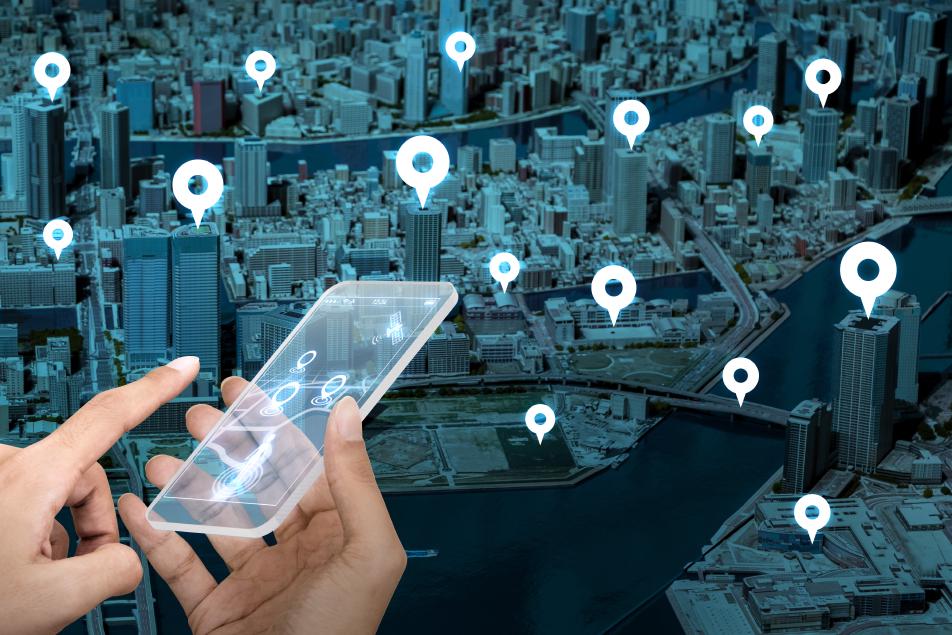
The most deployable people tracking solution
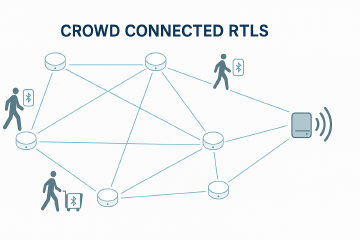
Our people tracking uses incredible new mesh networking technology from Wirepas, to deliver accurate tracking over entire buildings using just low-cost battery-powered beacons.
Calling for help
Universities and healthcare facilities can give staff and students confidence that when they need assistance, responders will know exactly where they are.
Attendance tracking
Conferences and training events that award CPD points can accurately track attendance without needing to scan every delegate in and out.
Efficient operations
Hospitals can assign tasks to the nearest porters. Security teams can assign incidents to the nearest responders.
Compliance monitoring
Ensure the people in any area are permitted to be there by generating alerts when unauthorised entry is detected.
Why use Crowd Connected?
Quick install
Mesh beacons are battery-powered and long-life. They can be installed with the included self-adhesive. Cover 25,000 m2 in just 4 hours, requiring only a single gateway.
Whole site coverage
Many WiFi solutions will only cover part of the building. Our quick to install hardware easily extends wherever it's needed.
Low TCO
The battery powered, low cost mesh beacons required have a significantly lower TCO than competing solutions such as UWB or WiFi.
Accuracy
Accurate to a few meters, more than good enough for most tracking requirements.
How indoor people tracking works
People tracking relies on a network of fixed Bluetooth beacons installed throughout a building. Each person carries a small wearable tag - typically clipped to a lanyard or ID badge - that transmits a signal picked up by the surrounding beacons. The beacons relay position data through a wireless mesh network to a single gateway, which sends it to the Crowd Connected platform in real time.
Unlike Wi-Fi-based or UWB systems, our people tracking solution requires no permanent power at each beacon and no network cabling beyond a single ethernet connection per floor. This makes it practical for temporary deployments (such as events) as well as permanent installations in hospitals, universities, and corporate campuses.
Frequently asked questions
How accurate is indoor people tracking?
How long does it take to deploy people tracking?
Does people tracking work without Wi-Fi?
What's the difference between people tracking and asset tracking?
Learn more about the technology behind people tracking

Get updates and insights from Crowd Connected
Thank You
Thank you for submitting your details. You're signed up to our newsletter!
Sorry
There was a problem submitting this form. Please check your entries, ensure you're online, and try again.