Butlr alternative
Butlr’s thermal sensors excel at workplace privacy, but they are sensor-only. Crowd Connected gives you occupancy counting, asset tracking, and wayfinding in one composable platform, built for any environment.

What Butlr does well
Butlr’s thermal approach is genuinely innovative for privacy-conscious organisations. Their sensors detect body heat through walls, require no cameras or visible surveillance infrastructure, and operate on battery power. For workplace teams worried about employee monitoring, the privacy-first positioning is compelling. The sensors work reliably in offices where privacy concerns are paramount.
However, thermal sensing has real constraints. Butlr’s sensors detect presence and headcount only, with no positioning data or wayfinding capabilities. You typically need roughly one sensor per ten square metres at standard ceiling heights of 2.5 metres - that’s eight to ten times as many sensors as Crowd Connected’s Bluetooth approach, which covers 80 to 100 square metres per beacon. Battery sensors need periodic replacement cycles. And their platform is built specifically for workplace use, limiting application to other sectors like education, events, or healthcare venues.
Why Crowd Connected offers more
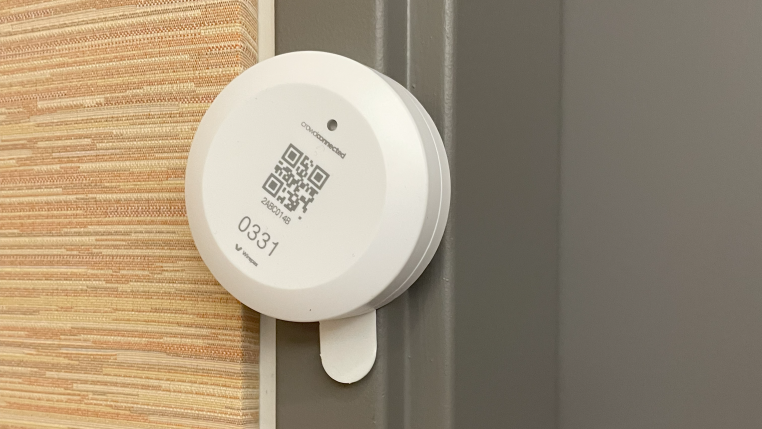
Crowd Connected combines occupancy counting, asset and people tracking, and wayfinding in a single composable platform. Our approach uses battery-powered Bluetooth sensors that passively detect phones and devices, converting device counts into people counts via self-calibrating machine learning algorithms. No cameras, no thermal imaging, no wired infrastructure.
One infrastructure powers three capabilities: occupancy sensing, tag tracking for assets and people, and wayfinding. Our pricing is transparent and published on our website. We serve education, healthcare, events, and venues as well as workplaces. Our REST APIs and modular architecture mean you integrate the specific capabilities you need, avoiding vendor lock-in.
Why choose Crowd Connected?
One infrastructure, three capabilities
Occupancy sensing, tag tracking for assets and people, and wayfinding all powered by a single battery-powered sensor network. Not sensor-only limitations.
Fewer sensors per room
Detect phones passively with wider coverage per sensor. Room-level occupancy without dedicated per-room hardware like thermal sensors require.
Built for education
Universities need campus-wide coverage. Our platform handles lecture theatres, libraries, corridors, and open spaces at scale.
Privacy first
Like Butlr, we prioritise privacy. No cameras, no thermal imaging, anonymised device detection. Full control over what is collected and where.
Frequently asked questions
How does Crowd Connected's approach differ from Butlr's thermal sensors?
How many sensors does each solution need per room?
Is Crowd Connected as privacy-friendly as Butlr?
Can Crowd Connected work in education environments?
What about Butlr's battery-powered sensors? Does CC offer something similar?
How does pricing compare?
Trusted across education, healthcare, and venues

“Crowd Connected handled the positioning sensors and integrated their API with the MapsPeople map. It brought both technologies together efficiently.”Gareth Stears, Canterbury Christ Church University




Deployed across universities, hospitals, and venues worldwide
Crowd Connected works with organisations across education, healthcare, events, and commercial venues in 30 countries. Each beacon covers 80 to 100 square metres - significantly wider coverage than dedicated room sensors - and the same infrastructure also powers occupancy counting, indoor wayfinding, and tag tracking. Canterbury Christ Church University, Buckinghamshire New University, Oulu University, and Aultman Hospital all use our platform.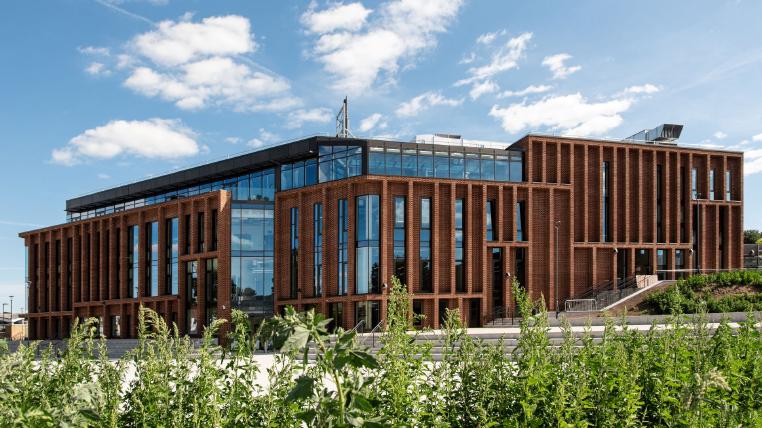
Get updates and insights from Crowd Connected
Thank You
Thank you for submitting your details. You're signed up to our newsletter!
Sorry
There was a problem submitting this form. Please check your entries, ensure you're online, and try again.